Kampot Pepper Farms: Which One Should You Visit?
By Jason for Discover Kampot

Introduction
Kampot pepper has been grown in Kampot province for centuries. Today, it holds Protected Geographical Indication (PGI) status and is considered one of the best peppers in the world, featured in many Michelin-starred restaurants globally.
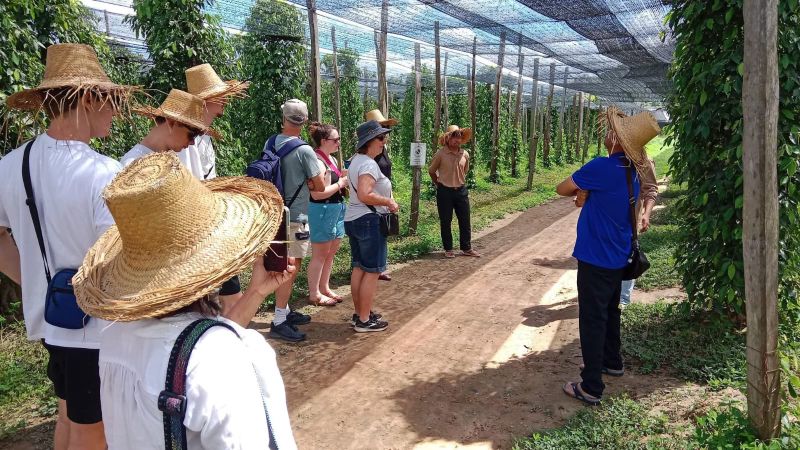
One of the must-do activities is visiting one of the local farms and seeing how the same berry becomes black, red, white, or green pepper, and getting the chance to taste the difference. There are a few different farms that welcome visitors, each with its own style and character.
| Pepper Farm | Highlights | Best For |
|---|---|---|
| La Plantation | Guided tours, spice bar, restaurant, shop ($5 tour) | Polished, full-service group visits |
| BoTree | Free tour, pondside Khmer restaurant, family-run | Relaxed, rustic day in the countryside |
| Sindora | Organic farming, ecosystem restoration, scheduled tours | Agriculture-first, quiet personal visits |
| Sothy’s | Traditional methods, tasting, location near Kep | Quick, straightforward stop near Kep |
Regardless of which farm you visit, you’ll get roughly the same experience: a tour through the pepper plantations, seeing what pepper plants look like and how it’s cultivated. You’ll learn how the different types are produced, and how they’re turned into the different coloured varieties you find in the store. Afterwards, there’s a pepper tasting where you can experience the differences yourself.
Each farm will offer you a slightly different experience, from large plantations in beautiful settings to family-run, more rustic farms.
La Plantation: The Big Name
La Plantation is the best-known pepper farm in the area, and it is also the most developed as a visitor site. If you like the idea of the biggest, most famous one, with cooking classes, a spice bar and gardens on top of the tour, La Plantation is the perfect choice.
The visit feels organized from the moment you arrive: guided tours and tastings ($5 per person), a shop, restaurant, spice bar, gardens, and optional add-on experiences are all built into the site. Some people use it as the main stop on a countryside loop with the salt fields and Secret Lake; others stay longer for lunch, drinks, or a cooking class.
That makes it especially useful if you are visiting with a group or have limited time.
It also sets up the main tradeoff. La Plantation is the simplest choice, but not the smallest or quietest one. Around Kampot and Kep, there are farms where the visit feels less like a major attraction and more like visiting a working farm.
BoTree: Best for a More Rustic Countryside Visit
For a more authentic farm experience, BoTree is the most popular alternative.
The farm is local family-owned and run, with a beautiful visitor center beside a pond. BoTree currently offers a free guided tour and tasting, but the visit does not have to end there. The restaurant offers some amazing food, showcasing fresh pepper from the farm. Their cook, Malis, makes amazing authentic Khmer dishes, as well as fresh juice, coffee, pepper ice cream, and more.
It is more rustic than La Plantation, but not bare-bones. Go for the tour, stay for lunch, sit by the water.
Sindora: Best for a Smaller, Agriculture-First Visit
Sindora Farms gets you even more into an authentic experience. It’s not trying to be the biggest visitor site, and they focus not just on pepper, but also tree planting and a small restoration project sharing the same land.
Half of the 10-hectare property is dedicated to tree planting and ecosystem restoration, while the pepper is grown organically by a small team. That gives the visit a quieter, more agricultural feel than the larger farms.
Visits are more scheduled than at the bigger drop-in farms, with guided tours in French or English and lunch available if arranged ahead. That makes it slightly less flexible than just dropping in somewhere whenever you like, but it suits travelers who prefer a smaller, more personal visit.
Sothy’s Pepper Farm: Best if You’re Near Kep or Short on Time
Sothy’s Pepper Farm is a particularly useful option if you’re spending time in Kep or planning a day that already heads in that direction.
The visit is simple: a tour around the working farm, learning about traditional manual growing methods, a tasting afterward, and a small shop at the end.
Why Kampot Pepper Matters
Pepper has been part of Cambodian cooking for over a thousand years. Researchers have found black pepper and long pepper remains at Angkor Wat and Ta Prohm, showing that pepper was in use here well before the modern Kampot trade developed. By the late nineteenth century, Kampot was already exporting large quantities, much of it grown by Chinese planters and traded through routes linking Kampot, Ha Tien, Saigon, and beyond. The industry went through repeated booms, crashes, wars, and long periods of decline.
A Protected Geographical Indication (PGI) was eventually established in the early 2000s to protect the name and the product. Kampot pepper is now one of a handful of peppers worldwide to carry a PGI. It can only be grown in the Kampot region, in certain soils, with two specific varieties, and has to be farmed organically.

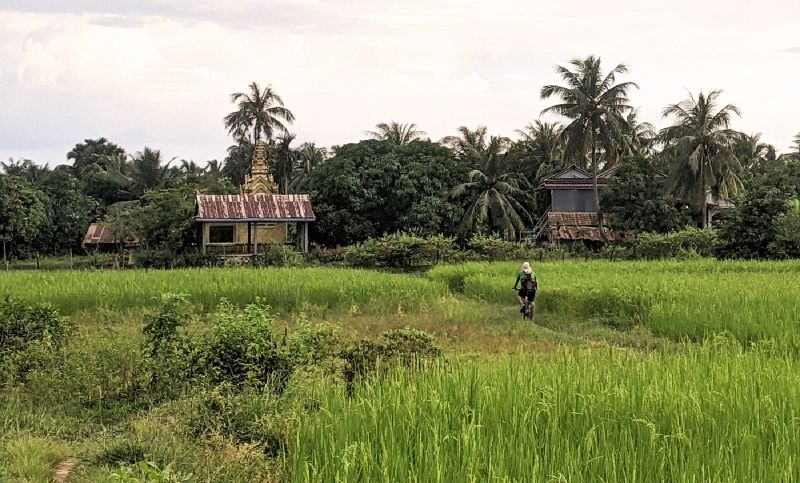
Getting out to the farms takes you through some of the nicest countryside around Kampot. Most people combine it with Secret Lake or the cave temples on the same day.
A Few Practical Tips
If you’re hiring a tuk-tuk, it often makes sense to combine a pepper farm with other countryside stops such as Secret Lake, Kep, or nearby villages.
Further reading Kampot has more going on than most visitors ever discover. Here's where to look.Kampot Alternatives: 6 Places Most Visitors Miss